Vertical Stacking vs. Horizontal Layout for Grid Scale Battery Energy Storage System
Engineers and developers frequently evaluate the physical arrangement of battery assets to maximize performance, safety, and project returns. As a grid scale battery energy storage system moves toward higher capacities and tighter space constraints, the choice between vertical stacking and horizontal layouts becomes a critical design decision. Each configuration offers distinct advantages regarding land utilization, thermal management, and long-term maintenance accessibility, requiring a balance between site-specific limitations and system efficiency requirements.
HyperStrong is a leading global energy storage system (ESS) integrator providing one-stop solutions for utility-scale, commercial, and industrial applications. Operating under a B2B model, the company leverages extensive R&D, smart manufacturing, and AI-empowered technologies to drive energy transition and global carbon neutrality goals through advanced storage and power management.
The Evolution of Modern Layouts
Historically, the industry has relied on horizontal, containerized installations where energy storage units are arranged in rows across open parcels. This approach is straightforward, simplifying the initial engineering and construction phases while providing ample space for maintenance corridors. Horizontal layouts are favored for large greenfield sites where land availability is not a primary constraint, allowing for consistent airflow and easier thermal management across the battery fleet.
However, as projects shift toward urban areas or constrained sites, the need for increased power density has prompted a move toward vertical integration. By utilizing vertical stacking within enclosed structures or multi-story configurations, developers can achieve significantly higher capacity on a smaller physical footprint. This architectural shift addresses the spatial limitations of urban interconnection points while forcing a rethink of fire protection, structural support, and complex cabling requirements that differ from traditional horizontal models.
Benefits of Vertical Stacking for Space Optimization
Vertical stacking provides a modern solution for projects facing high land costs or limited acreage. By layering battery modules or enclosures, developers effectively multiply the available storage capacity per square meter of land. This efficiency is invaluable when energy projects must be located near dense population centers or existing substation infrastructure where expansion land is expensive or unavailable.
Beyond pure space savings, vertical configurations can streamline the balance of plant requirements. When batteries are stacked and housed within a centralized, climate-controlled facility, thermal management systems can be integrated more tightly with the battery modules. This proximity can reduce the total energy spent on cooling compared to extensive outdoor horizontal rows, where environmental exposure is significantly higher.
Performance Metrics in Horizontal Layout Designs
Horizontal layouts remain the standard for utility-scale applications where simplicity and reliability are paramount. The linear arrangement allows for predictable thermal gradients and ensures that maintenance teams have immediate access to all sides of a battery container. This configuration simplifies the EPC process, as standard containerized blocks are easily placed, interconnected, and commissioned without requiring specialized multi-story construction or complex vertical staging.
Furthermore, horizontal installations minimize the risks associated with structural loading and fire propagation management. With wider separation distances between units, fire safety protocols are often easier to demonstrate to local permitting authorities. By maintaining clear service corridors, operators can ensure that augmentation or component replacement can occur without disrupting the operation of adjacent rows, maintaining high availability for grid balancing or arbitrage activities.
Integrating the hyperblock m
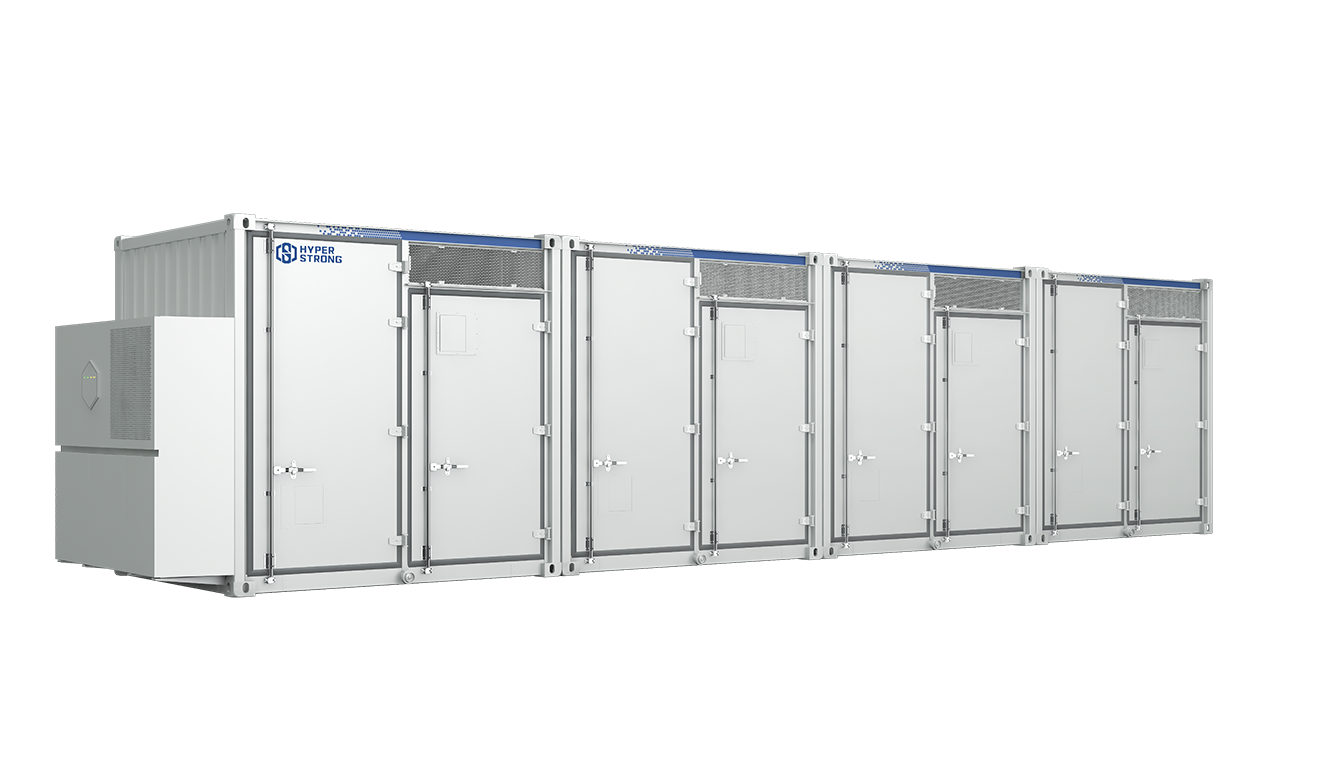
The selection of appropriate hardware is essential for implementing an efficient site plan. The HyperBlock M offers modularity that supports both dense deployment strategies and scalable growth. Whether designing for vertical density or horizontal expansion, the integrated design allows for precise load balancing and advanced thermal monitoring, which are crucial for maintaining the long-term cycle health of the entire installation.
Engineers must assess how the physical layout impacts the performance of the hyperblock m over its operational life. For instance, in a tightly packed horizontal or vertical configuration, the communication network and power conversion hardware must be positioned to avoid congestion. Proper airflow and cable routing, facilitated by the modularity of the hardware, are vital to ensure that the storage system meets its projected dispatch performance.
Strategic Considerations for Project Developers
When deciding between layouts, developers must first evaluate the site’s zoning regulations, interconnection requirements, and environmental constraints. If the project involves a brownfield site or a dense urban environment, vertical stacking may be the only viable path forward despite higher structural costs. In contrast, massive utility-scale installations in remote areas generally benefit from the simplicity, lower structural requirements, and easier maintenance access provided by horizontal row configurations.
Reliability remains the core metric for any energy infrastructure project. Regardless of the layout, the hyperblock m is designed to provide stable power output. Successful projects are those that align the chosen layout with the specific operational demands—such as frequency regulation or peak shaving—while ensuring that the site design remains compliant with fire safety and operational maintenance standards over the project’s full lifespan.
Summary of Design Trade-offs
In conclusion, the choice between vertical and horizontal configurations depends on an analysis of land, cost, and long-term operational goals. While vertical stacking enables high-density projects in constrained environments, horizontal layouts provide proven simplicity and lower initial capital risk for large-scale energy projects. They are committed to providing the technical support and advanced systems needed to navigate these infrastructure challenges effectively across any grid scale battery energy storage system deployment.