
Technology and Its Revolution on Adaptive Technology
Technology and athletics amalgamating have indeed changed how we view human capacity regarding sports. What initially seemed to be impregnable walls have been gradually torn down through innovative solutions stretching far beyond mere training renditions. This technological revolution, however, has not just been about perfecting performance. It has even changed the definition of athletic performance itself.
The New Breath from Brain-controlled Technology
Adaptive equipment that was produced for the physically disabled is perhaps the most dramatic modern technology application in sports. The modern prosthetics now consist of carbon fibers and joints that imitate the movement of a natural limb very closely. They have enabled Paralympic athletes to produce performances that rival and, in some cases, surpass that of normal-day human beings.
These are the changes that are so striking from the emerging new sophisticated blade models of prosthetics. Athletes who use these have shown surprising new capabilities, challenging the assumptions of what is considered advantageous vs disadvantageous in competition and fairness. Many followers of such news and events via various media, including those betting online at Melbet India, have witnessed what technological advancement has really the entirely new phenomena of athletic achievement. The precision engineering involved follows biomechanical analysis to optimize energy return and stance efficiency.
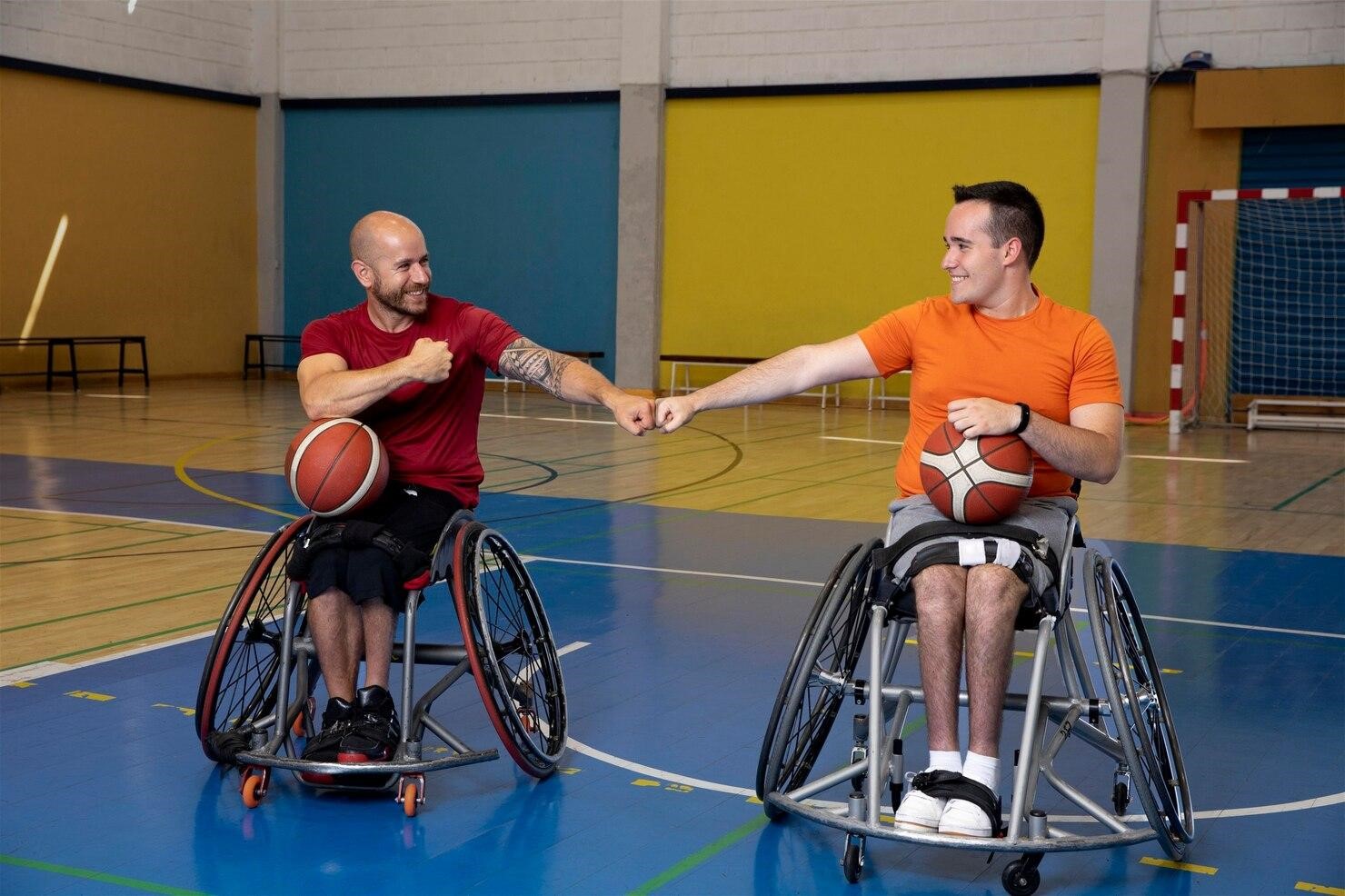
Another field wherein engineering prowess has broken barriers is certainly in wheelchair racing technology. The racing chairs of today come with an aerodynamic shape, lightweight materials, and precision steering, which can propel athletes to speeds exceeding 30 miles per hour in marathons. The way athletes are positioned in such specially designed chairs in themselves shows how technology has made up for the natural source of athletic opportunity, as it has set new athletic possibilities.
Digital Assistance and Smart Training Systems
These modern training environments rely heavily on digital super-mechanics, one of which delivers contemporary real-time monitoring and performance improvements. Motion capturing is currently one of the most advanced methods of movement analysis, letting coaches analyze movement with a level of precision that they could not previously imagine, or perceive inefficiencies that could take years to identify without the method.
Wearable sensor technology accounted for revolutionizing athletics development by allowing continuous monitoring of physiological markers in training and competition. Wearable devices quantify health in athletes: from heart variability to biomechanical stress patterns, allowing optimization of training loads and reduction of injury risks. Usually, the information derived from this system reveals performance limitations, which were previously attributed to limited physical inhibition under the influence of technical or tactical deficiencies.
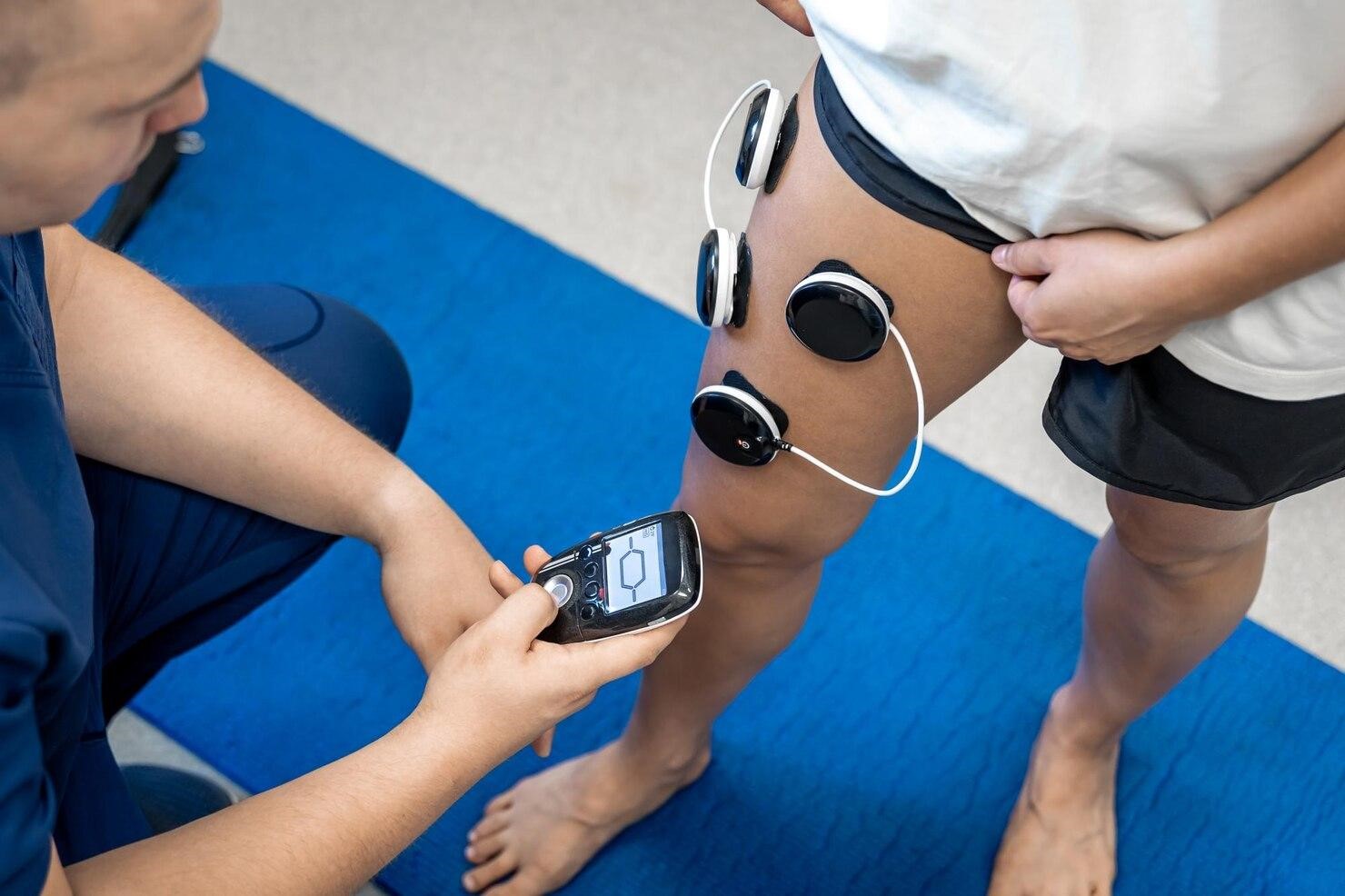
The advancements in systems of virtual training have given rise to the aspirations of being one of the best tools to facilitate the recovery of injured athletes or for learning under strictly regulated conditions. These systems allow competitive scenarios to be practiced without putting the athlete through the rigors of actual competition training opportunity that one cannot find in the bounds of temporal and spatial constraints.
Communication and Sensory Enhancement Technologies
With the technological interventions targeted at sensory impairments, there has been a major enhancement in the athletic participation of such athletes:
- Haptic feedback systems: It provides tactile guidance to athletes with visual impairment, enabling better control of their movement during sport in skiing and cycling by means of vibrations that convey directional information.
- Advanced audio cueing devices: They adopt spatial audio technology to reproduce a three-dimensional soundscape helping athletes navigate within the competitive environment, particularly beneficial in track and field event.
- Smart guide systems: That is, these systems use a GPS tracking and voice communication system to bring synchrony between visually impaired athletes and their guides ensuring best performance.
- Adaptive interface technologies: These enable athletes with hearing impairments to get coaching feedback in near-real-time via visual displays and customized notification systems.
Communication technologies were able to enhance the engagement of spectators and their understanding of adaptive sports. Data visualization in real time allows audiences to appreciate the technical complexity and athletic skills needed in Paralympic competitions, thus increasing the recognition of these achievements in mainstream sporting culture.
Biomechanical Analysis and Performance Optimization
Using sophisticated biomechanical analysis would probably be one of the biggest impacts in changing how athletes come to terms with physical limitations. Where once cameras, judging high-speed, force plates, and electromyography systems never could, they now give precise insights into the efficiency of movement.
Like never before in the past, technology inches further into breaking the margin window for possibilities and limitations. Today’s athletes, whose horizons were once filled with meanings of despair and injuries now become the pioneers of human performance because innovation and determination can surpass almost anything physical. Their achievements testify to the fact that the future of sports is not in the acceptance of limitations, but rather their calculated destruction through thoughtful technological advancement.