Protecting Your Account: What You Need to Know Before Using ML Tools
By the time you finish this article, your password might already be in someone’s back pocket.
Welcome to the jungle. Not the green one with parrots and vines, but the digital one—where data is the new oil, AI is the engine, and you… you’re just trying to log into your machine learning (ML) platform without getting your digital soul scraped and sold on the dark web.
Yes, dear reader, the age of machine learning is magical. It’s like having a digital genie that doesn’t need a lamp—just lots of training data. But before you whisper your wishes into the silicon wind, it’s time to talk about account protection—because in this wild AI rodeo, your credentials are the bull, and there are hackers out there itching to ride.
The Siren Song of ML Tools
ML tools are seductive. They promise predictive power, automation, recommendations, and sometimes, the illusion of omniscience. Tools like TensorFlow, PyTorch, Hugging Face, and a dozen other platforms roll out the red carpet. APIs, dashboards, cloud hosting… it’s a candy store for tech lovers.
But remember: the brighter the lure, the deeper the trap.
Most ML tools require cloud-based access, login credentials, linked payment methods, and often sensitive datasets. That’s like giving a stranger your house keys and the alarm code—while asking them to water your plants.
Hackers Love Low-Hanging Fruit
Let’s make this real. You sign into your favorite ML dashboard using the same password you used for your cousin’s wedding photo album in 2013: “ilovedonuts123”. You’ve used it everywhere. Boom. Credential stuffing 101. A hacker tests it against your ML tool. Jackpot. Now they’re training a model on your dime while siphoning off your AWS budget.
Think of your account as a nightclub with a velvet rope. You don’t let just anyone into the VIP lounge, right? So why treat your ML tools like an open buffet?
Your ML Tools Are Only as Safe as Your Habits
Here’s where it gets uncomfortable: the weak link in most systems isn’t the tool. It’s you. Or more precisely, your bad security habits. So let’s turn this ship around. Here are some must-know safety lighthouses before you venture into the sea of machine learning:
�� 1. Use a Password Manager. No, Seriously.
Stop trying to be a hero with your memory. Use unique, random passwords for every tool. If you can remember your password, it’s probably too weak.
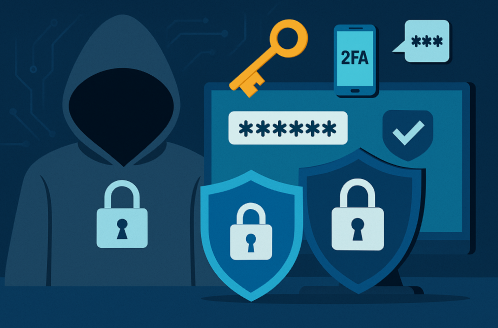
�� 2. Two-Factor Authentication (2FA): Your Digital Bodyguard
Enable it. Everywhere. If a site offers 2FA and you don’t use it, that’s like locking your front door but leaving the window open with a sign that says “Do not enter.”
��️ 3. Watch Those Permissions
Many ML platforms ask for access to your GitHub, your Google Drive, your kitchen sink. Don’t just click “allow.” Read. Understand. Think. It’s your data on the line.
�� 4. Clean Your API Keys Like You Clean Your Hands
Exposed API keys are the golden tickets for attackers. If you’re pushing code to GitHub or other repos, use .env files and NEVER hardcode secrets. Change them regularly like you would your toothbrush.
Where the Plot Thickens: Real-World Shenanigans
Ever heard the famous football agent story? No? Let’s remix it.
Imagine a super-agent managing top-tier athletes. One day, he logs into his analytics dashboard to review player performance data powered by an ML platform. But guess what? The account’s been hijacked. Why? He used “footballGOAT123” for his password—and didn’t turn on 2FA.
The hacker? Not just stealing access, but leaking contract predictions, location data, even potential transfers. Boom—scandal. Trust shattered. Reputation gone. Just like a match-fixing exposé.
You don’t need to be a football agent to face that storm. Whether you’re crunching ecommerce stats or fine-tuning a predictive model for health diagnostics, your data is gold. Protect it like it’s the last slice of pizza in a room full of hungry interns.
TonyBet Knows the Game
Speaking of reputation, platforms like TonyBet understand the power of secure digital ecosystems. In high-stakes environments like sports betting, where real-time analytics and financial transactions converge, data protection is as crucial as the final whistle. Don’t gamble with your credentials—learn from those who play to win.
The Invisible Threats Are the Scariest
Machine learning isn’t just about data input/output anymore. With LLMs and generative AI in the mix, attackers now use these same tools for phishing, scraping, social engineering. Imagine an AI that impersonates your colleague and asks for your login key. Would you recognize the trap?
Phishing is no longer broken English and sketchy links. It’s now machine-crafted, razor-sharp, and tailored. One wrong click and you’re in a Kafkaesque nightmare where your models start tweeting about Bitcoin at 3AM.
Final Tips Before You Plug In
Before you upload your next dataset, take a moment. Breathe. And do this checklist:
- ✅ Unique password
- ✅ Two-Factor Authentication
- ✅ API keys stored securely
- ✅ Data encrypted at rest and in transit
- ✅ Access logs reviewed regularly
- ✅ Backups scheduled and tested
This isn’t paranoia. It’s hygiene.
In the End, You’re the Firewall
ML tools are powerful, yes. But they don’t protect you from yourself. You can’t delegate common sense to the cloud.
So before you fire up your favorite model, remember: the strongest model in the world can’t detect your own bad habits. But you can. Train that model first.
And if you must take risks, let them be on TonyBet, not your security stack.
Now go forth—build, learn, deploy—but guard your gates like the knight you are in this neon-lit, password-breaching age of AI sorcery.
Because in the digital wild west, your account is your identity. And it’s always open season.