
How Domestic Violence Court in Kansas City Protects Victims and Families
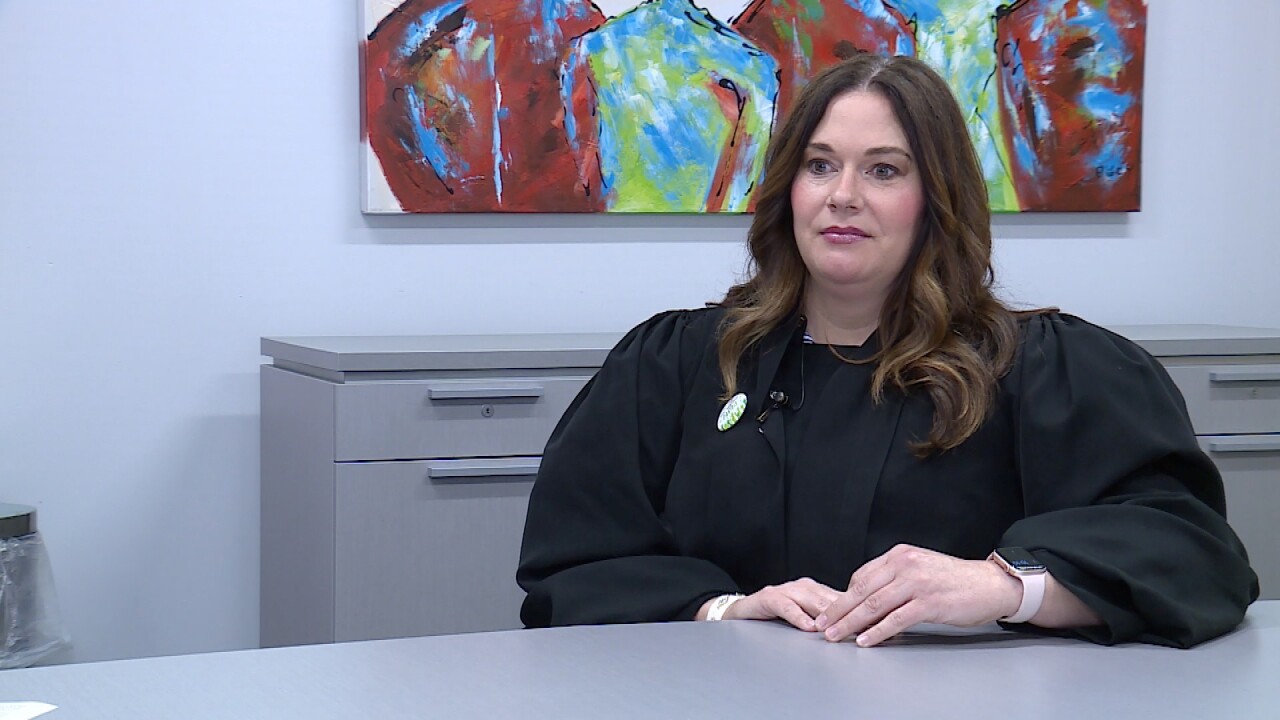
A family can be completely upended by domestic abuse. Fear strikes quickly. Trust vanishes. Children frequently bear unexplainable tension. Additionally, a lot of victims find the court system to be unfriendly or difficult to navigate. This is where Kansas City’s specialty courts intervene and alter the situation. Punishment is not the only objective. It’s healing, safety, and a genuine attempt to break the cycle. Every day, groups like Beyond the Bench KC contribute to this goal. They strive to increase public awareness of the rehabilitation work associated with specialty courts. Their goal remains unwavering: assist families in leading safer lifestyles while addressing the underlying reasons of negative behavior. What do you know? Most people don’t realize how important that is.
What Distinguishes Domestic Violence Courts?
A typical criminal court deals with a wide range of cases. Abuse inside families or intimate relationships is the only focus of domestic violence courts. Everything is altered by that concentration. Probation teams, judges, lawyers, and counselors frequently collaborate closely. They monitor advancement. They keep an eye on danger. Rather than treating every situation like a file number, they search for trends. The judge may mandate:
- Programs for counseling
- Treatment for substance abuse
- Support for mental health
- Classes for batterer intervention
- Strict no-contact guidelines
- Regular court evaluations
More accountability results from that combination. It establishes structure as well. Consider it similar to guardrails on a hazardous road. Without them, people quickly revert to their previous behaviors. The Kansas City Specialty Courts system has helped Kansas City develop robust programs. These courts prioritize long-term behavior modification over temporary solutions.
Safety Always Comes First
Every decision made in a domestic violence court is based on the protection of the victims. This may seem apparent, yet it alters the way situations are handled by the system. When orders are broken, judges frequently act swiftly. Regular check-ins and strict supervision are common in courts. A counseling session that was missed? The court takes notice. A violation of the protective order? The court responds. This degree of supervision makes victims feel less isolated. In stillness, fear frequently builds. Some of the silence is broken by regular court communication. Families also notice the difference. Children who witness violence may have difficulty in school, have trouble sleeping, or experience anxiety. Some become silent. Others misbehave. The house begins to seem tense all the time, like it’s waiting for another storm. Early disruption of the tendency is the goal of specialty courts.
Beyond the Arrest, the Court Examines
This is the problem. Abuse does not usually cease when someone is arrested. Deeper problems are present in many domestic abuse cases:
- Abuse of drugs or alcohol
- Untreated trauma
- Anger issues
- Mental health issues
- Stress related to money
None of those justify using violence. Not even near. However, neglecting such elements seldom promotes family healing. Specialty courts hold criminals accountable for their acts while attempting to address the whole picture. It’s similar to fixing a damaged foundation rather than painting the walls. The harm underneath persists even though the exterior may appear better for a short while. Treatment and supervision therefore frequently coexist.
Accountability Has the Power to Transform Lives
Specialty courts are thought to be “soft” by some. They’re not. Participants typically have to meet stringent requirements. They might go to weekly classes, finish treatment plans, take tests, or frequently appear in court. Progress is regularly tracked. Errors have repercussions. However, there is another aspect of accountability that is equally important. Sometimes, when they are confronted with the harm they have inflicted in a structured environment, people change. Not all cases have a happy ending. Some people don’t succeed. There are certain recurring trends. Courts are aware of this. However, when criminals receive targeted treatment and careful supervision rather than just brief jail sentences, many families report safer outcomes. That equilibrium is important.
The Significance of Community Support
Domestic abuse cannot be resolved by courts alone. Nonprofits, shelters, community organizations, and advocates assist victims in reestablishing their everyday lives. They help people find homes, emotional support, legal assistance, and therapy. Finding stability or going back to danger can depend on that support system. Beyond the Bench KC works to increase public knowledge of these court programs and their objectives. Their efforts promote healthier communities in Kansas City and the surrounding areas. To be honest, awareness is still more important than most people realize. Because they believe no one will listen, some victims never ask for assistance. Some worry that the procedure would worsen the situation. Some of that worry is lessened by support networks.
Families Require More Than Just Court Dates
Rebuilding trust requires more than just a courtroom. Through therapy, safer housing, school assistance, consistent routines, and wholesome relationships, healing typically occurs gradually. Families frequently require both practical assistance and legal action. Simple things are important:
- Transportation that is safe
- Childcare
- Availability of therapy
- Consistent work
- Sturdy housing
Stress builds up quickly in the absence of essential fundamentals. Additionally, stress can drag families back into dangerous circumstances. Kansas City’s specialty court system attempts to link legal action with community care because of this. It’s not flawless. There isn’t a system. However, during the process, a lot of families feel seen for the first time.
Ending the Cycle for the Upcoming Generation
Children who witness domestic abuse may carry those experiences with them for years. Later in life, some people resume unhealthy habits. Some have issues with anger, trust, or fear. That is the harsh reality. The goal of specialty courts is to lessen recurrent violence before the harm is borne by future generations. Treatment, counseling, and early intervention all reduce risk. Additionally, children frequently reclaim something they sorely lack—calm—when families achieve stability. A calm house might not seem dramatic. However, tranquility is a novel experience for many families.
Concluding Remarks
Kansas City’s domestic abuse courts prioritize long-term transformation, safety, and accountability. They push offenders toward therapy and accountability while providing victims with greater support. The task is challenging. Sometimes it seems like progress is moving slowly. However, these courts give many families a route that was previously unattainable; it is based on structure, protection, and hope for long-term transformation. Beyond the Bench KC and the larger Kansas City Specialty Courts system continue to be centered around this goal.
FAQs
- What is the role of a court for domestic abuse?
Abuse-related matters involving family members or intimate relationships are handled by a domestic violence court. These courts prioritize offender accountability, victim safety, and lowering recurrent violence through treatment and supervision initiatives.
- How are victims of domestic abuse protected by the court?
The court has the authority to grant protection orders, keep a close eye on violators, and act swiftly when infractions occur. Additionally, victims have access to support services, therapy, and advocacy groups.
- Do specialist courts exclusively handle criminal cases?
No, specialty courts deal with problems like substance addiction, trauma, and mental health difficulties that may lead to violent behavior in addition to enforcing punishments.
- Can courts that deal with domestic abuse also assist children?
Indeed. Children in impacted households often see improvements in their emotional well-being, academic achievement, and general stability when there is less violence at home.
- Beyond the Bench KC: What Is It?
A Kansas City-based nonprofit called Beyond the Bench KC promotes community involvement and knowledge of specialty courts and their rehabilitation goals.