
Creating A Culture Of Safety Through First Aid Education In Darwin
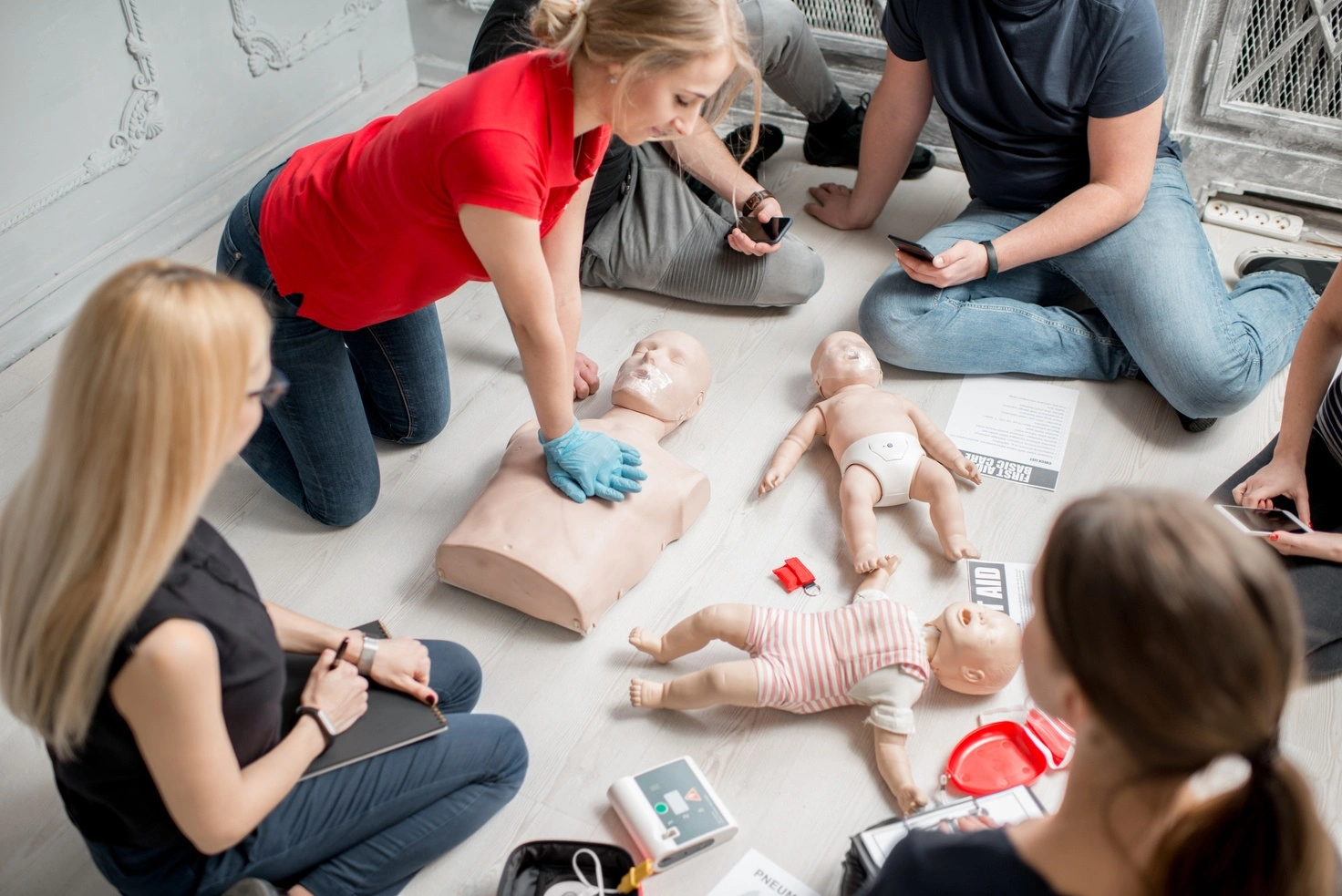
Safety is not something that happens by chance. It is the result of awareness, preparation, and the willingness of individuals to take responsibility for the well-being of others. In communities, workplaces, schools, and public spaces, a strong culture of safety begins when people have the knowledge and confidence to respond effectively during emergencies. This is why first aid education has become an essential part of building safer environments in Darwin.
First aid course Darwin goes beyond teaching emergency procedures. It encourages people to think proactively about risk management, injury prevention, and community responsibility. As more individuals gain lifesaving skills, the overall safety culture within a region becomes stronger and more resilient.
The Importance Of Safety Culture
The common attitudes, beliefs, and practices that put health and safety first are referred to as a safety culture. Organisations and communities with strong safety cultures do not simply react to emergencies. They actively work to prevent incidents while ensuring that people are prepared if something unexpected occurs.
First aid education plays a critical role in shaping this mindset. When individuals understand how to recognise hazards, assess situations, and provide immediate assistance, they become active contributors to safer environments. This knowledge creates a sense of confidence and responsibility that extends into everyday life.
First Aid Training Encourages Preparedness
One of the most valuable outcomes of Darwin first aid course is preparedness. Emergencies often happen without warning, whether they involve injuries, medical conditions, or accidents. In many situations, the actions taken during the first few minutes can significantly influence the outcome.
People who have completed first aid training are better equipped to remain calm under pressure. They learn how to assess risks, communicate effectively, and provide assistance until professional medical help arrives. This preparation helps reduce panic and increases the likelihood of positive outcomes during emergencies.
Prepared individuals also inspire confidence in those around them, contributing to a broader culture where safety is taken seriously.
Strengthening Workplace Safety
Workplaces across Darwin benefit greatly from employees who possess first aid knowledge. Regardless of industry, accidents and medical emergencies can occur at any time. Having trained staff members available ensures that immediate assistance can be provided when needed.
First aid education also supports broader workplace safety initiatives. Workers are frequently more proactive in recognising and reporting risks as they become more conscious of possible dangers. This increased awareness helps organisations create safer working conditions and reduce the likelihood of incidents.
When businesses invest in training programs, they demonstrate a commitment to employee well-being. This commitment often strengthens morale and encourages workers to take a more active role in maintaining workplace safety standards.
Building Safer Schools And Community Spaces
Safety culture is equally important in schools, sporting clubs, and community organisations. Teachers, coaches, volunteers, and parents who understand first aid can respond quickly when injuries or medical emergencies arise.
Children and young people benefit from being part of environments where safety is prioritised. They observe responsible behaviour and learn the importance of caring for others. Over time, these values contribute to stronger and more resilient communities.
Community-based first aid education also promotes inclusiveness. When more people possess emergency response skills, everyone benefits from greater support and protection during unexpected situations.
Developing Confidence Through Practical Skills
Many people hesitate to assist during emergencies because they fear making mistakes. First aid education helps remove this uncertainty by providing practical knowledge and hands-on experience.
Training programs teach participants how to respond to a variety of situations, including injuries, breathing difficulties, and medical emergencies. This experience builds confidence and enables individuals to act decisively when needed.
For many participants, obtaining a CPR certificate Darwin represents an important step toward becoming a more capable and prepared member of the community. The skills learned during training can prove valuable both professionally and personally.
Encouraging Responsibility And Leadership
A strong safety culture depends on people who are willing to take responsibility for the well-being of others. First aid education helps develop this sense of responsibility by teaching participants that their actions can make a meaningful difference during emergencies.
Individuals who complete training often become advocates for safety within their workplaces, families, and social groups. They encourage others to learn lifesaving skills and promote practices that reduce risk.
This leadership effect can have a lasting impact. As more people embrace safety-focused behaviours, communities become better prepared to prevent accidents and respond effectively when emergencies occur.
The Long-Term Benefits Of First Aid Education
The value of first aid training extends far beyond the classroom. It creates informed individuals who contribute to safer workplaces, stronger communities, and more confident emergency responses.
In Darwin, ongoing investment in first aid education helps foster a culture where preparedness and responsibility are part of everyday life. As more people gain these essential skills, the benefits are felt across all areas of society.
Conclusion
Creating a culture of safety requires commitment, education, and participation from individuals at every level of the community. First aid training provides the knowledge and confidence needed to respond effectively during emergencies while promoting greater awareness of health and safety risks. Through first aid education, people become more prepared, more responsible, and more capable of protecting those around them. In Darwin, these skills are helping build safer workplaces, stronger communities, and a future where safety remains a shared priority.